Best Drawing Tablet Buying Guide — Black Friday Deals 2026
A drawing tablet purchase starts with a workflow choice: draw directly on a tablet display, use a connected computer setup, or keep the apps and artwork on a standalone device. These options are represented here by the HUION Kamvas Pro 16, Wacom Intuos Pro Medium, and PicassoTab A10. Their listed features answer different practical questions, from computer and operating-system requirements to shortcuts, stylus details, and screen size. For Black Friday, treat the seasonal label as a prompt to inspect the exact product and configuration, not as proof of a discount. First decide where you want a session to begin, then compare the relevant specifications and the offer shown for that item.
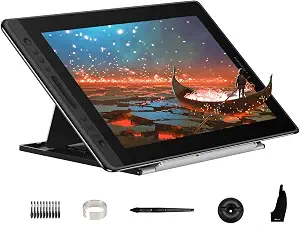
HUION Kamvas Pro 16 Drawing Tablet with Screen (ASIN B07RXZC12J)
Best Overall is the editorial pick for the HUION Kamvas Pro 16 because its listed features bring a drawing display, adjustable stand, and shortcut controls together in a computer-connected setup. That combination makes it a useful starting point for someone planning to draw at a desk while keeping the computer or laptop as part of the session. The 15.6-inch full-laminated screen has anti-glare glass, and its resolution is 1920×1080. Those details let shoppers assess the display itself rather than relying on a broad promise about drawing comfort or image quality.
Before adding it to a Black Friday shortlist, account for its central setup requirement: the tablet must be connected to a computer or laptop to work. Its listed compatibility is Windows 7 or later, macOS 10.12 or later, and Linux(Ubuntu). Check the operating system on the computer intended for drawing against that list, and consider where the connected equipment will sit during a session. If you want a tablet that runs everything directly on the device, the PicassoTab is the more relevant option among these picks; the HUION’s stated workflow depends on a computer connection.
Once the setup fits, the six customized express keys and touch bar offer specific controls to consider when planning repeated actions. Think about whether those controls suit the way you want to arrange shortcuts, without assuming a particular app mapping. The pen has 60° tilt recognition, a detail worth weighing if tilt recognition is relevant to your drawing habits. Its stand moves between 20 and 60 degrees, giving a stated adjustment range to consider when choosing a working position. These are concrete features to compare, not a guarantee of a particular result.
For Black Friday, compare the exact HUION listing and variant you intend to buy, then make sure its computer requirement, operating-system compatibility, display, and controls match your plan. Best Overall is a label for this selection among the featured products, not a claim of tested or market-wide superiority. Choose it when the connected computer workflow and on-tablet display are the combination you want to investigate.
Key specs
Display
15.6-inch full-laminated screen and anti-glare glass
Resolution
1920×1080
Controls
6 customized express keys and a touch bar
Pen tilt
60° tilt recognition
Stand adjustment
moved between 20 and 60 degrees
Compatibility
Windows 7 or later, macOS 10.12 or later, and Linux(Ubuntu)
Computer connection
this device must be connected to a computer/laptop to work.
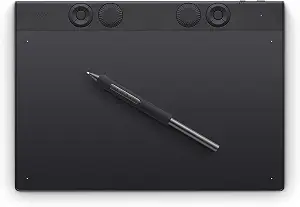
Wacom Intuos Pro Medium, Bluetooth Graphic Drawing Tablet with ProPen 3
Wacom Intuos Pro Medium, Bluetooth Graphic Drawing Tablet with ProPen 3 (ASIN B0DFZ2ZRPQ)
Best for Customizable Controls is the Wacom Intuos Pro Medium, an editorial label grounded in its listed set of ten customizable tablet ExpressKeys and two mechanical dials. If your planned session involves reaching repeatedly for controls, those details give you something specific to compare with your preferred workflow. The tablet has an 8.7 x 5.8 inches active area, so consider whether that stated working area is a suitable fit for the space and drawing routine you have in mind. The listed facts focus on an active area rather than giving a display resolution, so distinguish the work surface you want from the controls you prioritize.
Next, decide how you want to connect it. The listed options are Bluetooth, USB-C to USB-A, and USB-C to USB-C. Match the available connection route to the computer you plan to use, rather than assuming a cable or wireless arrangement beyond those stated choices. The product lists compatibility with Mac / PC and specifies Windows 10 or later and macOS 13 or later as operating systems. Check the machine’s operating system before treating a Black Friday offer as a fit; the general device label does not replace those more specific requirements.
The listed pressure sensitivity is 8192 levels. Use that as a specification to compare with your own priorities, not as a promise of a particular drawing outcome. If you are choosing between this and a display-based setup, consider whether you want a tablet workflow centered on its active area and controls or prefer a product whose supplied facts describe a screen. The HUION lists a 15.6-inch display, while the PicassoTab lists a laminated 10-inch screen and standalone operation; those distinctions can help organize your shortlist without assuming that one setup suits every artist.
During Black Friday shopping, inspect the exact Wacom listing and variant, including the connection and operating-system details, before comparing the offer. The Best for Customizable Controls label describes why it is included in this guide; it does not establish measured superiority. Pick it if the ExpressKeys and mechanical dials are central to your decision, and weigh the active area and supported computer setup alongside them.
Best Budget is the editorial label for the PicassoTab A10 among these featured choices. Its clearest distinction is standalone use: everything runs directly on the tablet, with no computer needed. That makes it a natural candidate to consider when you want a drawing session to start on the device itself rather than depend on the computer-connected workflow listed for the HUION. The PicassoTab runs Android 14 and comes preloaded with five creative apps for drawing, painting, animation, tutorials, and guided lessons. Those details give you a practical starting point for deciding whether its included software and device-based approach suit your intended use.
The display is a laminated 10-inch screen that reduces glare and parallax, and the resolution is 2000×1200. Its stylus is pressure-sensitive with 4096 levels. Consider those stated features together: the screen and stylus define the drawing setup described in the listing, while standalone operation determines where the session runs. Avoid assuming that a specification alone guarantees how a particular app or drawing technique will feel. Instead, compare the listed screen, stylus, operating system, and included apps with the tasks you expect to do.
If your plans include exploring more than drawing, the five preloaded apps include animation, tutorials, and guided lessons as well as drawing and painting. That may make the app selection relevant when deciding whether the tablet’s starting environment fits your plans. It is still sensible to check the exact listing and variant for the details that matter to you rather than inferring additional software or capabilities. Compared with the two computer-oriented options in this guide, the PicassoTab’s stated no-computer-needed design is the key workflow distinction to weigh.
For Black Friday, check the exact PicassoTab offer and variant instead of assuming the seasonal framing guarantees a particular price or promotion. Best Budget is a guide label among these three products, not a promise that it is the lowest-priced listing or a tested value judgment. Consider it when standalone use, the preloaded apps, and the listed screen and stylus details align with your plans.
Key specs
Standalone use
No computer needed — everything runs directly on the tablet.
Creative apps
Comes preloaded with 5 creative apps for drawing, painting, animation, tutorials, and guided lessons.
Display
The laminated 10″ screen reduces glare and parallax
Stylus
The 4096‑level pressure‑sensitive stylus
Operating system
Android 14
Resolution
2000×1200
Map the session from first sketch to finished file
Picture the moment you sit down to draw. If you want the drawing device itself to run the session, the PicassoTab is the product here that explicitly says no computer is needed and that everything runs directly on the tablet. If you intend to work with a computer or laptop, the HUION explicitly requires that connection. The Wacom lists Bluetooth and two USB connection options, so its connection route belongs in the setup decision too. These are different starting points, not simply three versions of the same arrangement.
Continue the scenario through the work you expect to do. A session that includes drawing, painting, animation, tutorials, or guided lessons may make the PicassoTab’s five preloaded creative apps relevant. Someone planning to keep a computer in the workflow can compare the HUION’s display and adjustable stand, or the Wacom’s active area and physical controls, with their own workspace needs. No product fact here establishes which apps or techniques you personally prefer, so begin with the tasks you already intend to try.
When Black Friday listings appear, write down the setup requirement that would rule an item in or out before comparing offers. That keeps a seasonal banner from distracting from the core question: where will the work run, and what equipment will be part of the session? A good shortlist is one where each remaining product has a plausible role in your planned routine.
Let the surface guide your display decision
The HUION and PicassoTab both have explicitly described screens, but their listed details differ. The HUION has a 15.6-inch full-laminated screen with anti-glare glass and 1920×1080 resolution. Its stand moves between 20 and 60 degrees. The PicassoTab has a laminated 10-inch screen that reduces glare and parallax, with 2000×1200 resolution. Compare those facts in the context of the physical setup you want, rather than assuming that screen size or resolution alone settles which device suits you.
The Wacom facts supplied here identify an 8.7 x 5.8 inches active area, but do not specify a display resolution. Treat that as a separate kind of information: consider whether the stated active area fits your drawing plans, and do not infer unlisted display characteristics. If seeing artwork on a device screen is a priority, use the two explicitly listed display options as candidates to examine. If an active-area workflow is what you are considering, keep the Wacom’s stated area in the comparison.
In a Black Friday comparison, inspect the exact product and variant rather than treating a screen-related phrase in a listing as interchangeable with another model’s specification. Keep each figure in its original context: screen size, resolution, active area, and stand adjustment describe different aspects of a setup. This simple separation makes it easier to compare what you need without turning unlike details into a misleading ranking.
Choose physical and digital controls with a purpose
A control count matters most when you can connect it to an action you expect to repeat. The HUION lists six customized express keys and a touch bar. The Wacom lists ten customizable tablet ExpressKeys and two mechanical dials. Compare those arrangements against the controls you would want close at hand, while remembering that the supplied facts do not specify how to configure them for particular apps. The point is to decide whether those listed control types matter to your working rhythm, not to assume that more controls automatically improve it.
Pen details are another part of that decision. The HUION lists 60° tilt recognition, and the PicassoTab lists a pressure-sensitive stylus with 4096 levels. The Wacom lists 8192 levels of pressure sensitivity. Think about which stated pen specification you want to compare, but do not treat the figures as a direct measure of artistic quality or a prediction of how a particular technique will feel. If tilt recognition is a priority, it is specifically listed for the HUION; the supplied facts do not list that feature for the other products.
As Black Friday approaches, make a short personal checklist: favored controls, relevant pen details, and the tasks those features are meant to support. Then verify that the exact offer is for the product you considered. This makes product labels and seasonal presentation secondary to your actual requirements, while still allowing you to compare the stated features clearly.
Keep operating-system and connection needs on the shortlist
Compatibility is practical rather than decorative: it determines whether the listed setup lines up with the computer you plan to use. The HUION lists Windows 7 or later, macOS 10.12 or later, and Linux(Ubuntu), and it must connect to a computer or laptop to work. The Wacom lists Windows 10 or later and macOS 13 or later, identifies Mac / PC as compatible devices, and provides Bluetooth, USB-C to USB-A, and USB-C to USB-C connectivity. Check the computer’s operating system and intended connection against the relevant product details.
The PicassoTab takes a different route in the supplied facts: it runs Android 14 and does not need a computer because everything runs directly on the tablet. That distinction can settle the shortlist early if your plan requires either a computer-connected device or standalone operation. Do not assume that a product’s general compatibility wording answers every setup question; keep the stated operating systems and connection choices visible while you compare.
Before choosing a Black Friday listing, confirm that its exact product and variant are the ones whose requirements you checked. If your computer’s operating system is outside a listed range, do not overlook that detail because an offer looks appealing. Conversely, if the standalone approach is what you want, focus on the product whose facts explicitly support it. A clear match between your setup and the stated requirements is more useful than a broad compatibility assumption.
Make the seasonal listing answer a specific question
A Black Friday label does not by itself establish that a tablet is discounted, available, or the right configuration for you. Compare the exact offer and variant with the requirements you have already written down: standalone or computer-connected use, the relevant display or active-area details, controls, stylus specifications, and operating system. Product names can look similar across listings, so confirm that the item you are considering is the one whose facts match your shortlist.
Use a simple decision order. First rule out setups that do not suit where you want the work to run. Next compare the specific features you care about, such as the HUION’s adjustable stand, the Wacom’s customizable controls, or the PicassoTab’s preloaded creative apps. Finally, evaluate the offer as presented for that exact item, without assuming a discount or savings that are not stated. This keeps the seasonal event from becoming a substitute for product research.
If two choices remain plausible, return to your planned session and ask which details will genuinely influence it. A screen, connection path, active area, or set of controls should matter because it fits a real preference—not merely because it appears prominently in a listing. That approach makes Black Friday a useful time to compare candidates while leaving the purchase decision grounded in the product configuration and facts you actually want.
Make your Black Friday choice
The strongest shortlist begins with the drawing routine you want, not the seasonal banner. Choose the PicassoTab when standalone operation and its listed apps belong in your plan; consider the HUION when you want its described display and stand in a computer-connected setup; and weigh the Wacom when its active area and customizable controls fit your priorities. Those are reasons to consider each product, not guarantees of superior results. During Black Friday, verify the exact offer and variant against your operating-system, connection, display, and control needs. A deliberate match is a better basis for choosing than an assumed promotion.