Best Home Health Care Buying Guide — Black Friday Deals 2026
A useful home health care setup starts with the question you want to check, not with a long list of devices. A thermometer, blood pressure monitor and pulse oximeter each show different information, so consider which readings fit your household routine and who will use them. Then compare the controls, display, memory and power details that matter in practice. Black Friday can make browsing feel urgent, but an event label does not establish that a particular item is discounted. Check the exact product and selected variant, and weigh its listed features against your needs before deciding. The options here include a non-contact thermometer, an upper-arm monitor and a fingertip oximeter.
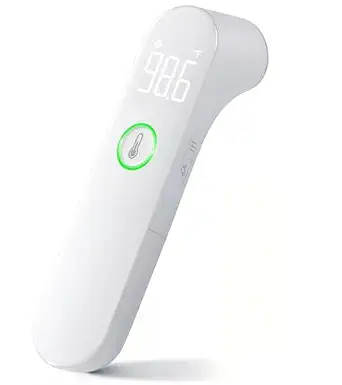
Viproud Thermometer for Adults and Kids (ASIN B0CGRB23YM)
When a temperature check is the immediate task, a non-contact thermometer can be a practical format to consider. This model is listed with a one-second response time, which may suit a household that values a quick check as part of its routine. Its stated temperature range runs from 89.6 °F to 109.2 °F. Before choosing it, consider whether that listed range fits the kind of checks you expect to make, and follow the product directions for positioning and use rather than treating speed alone as a measure of suitability.
The memory stores 35 sets, giving a household a way to refer back to earlier readings on the device. That may be useful when someone wants to review a sequence rather than rely on recollection, though stored readings do not explain what they mean or replace professional guidance. The thermometer switches between ℉ and ℃, which can help accommodate a preferred unit. Its 30 seconds auto shut-off function is another practical detail to note if you are thinking about routine handling and power use.
It requires 2 AAA batteries, and they are included. That gives shoppers a clear starting point for planning the device’s power needs, while still making it sensible to consider battery replacement as part of keeping home care equipment ready. If the thermometer will be used by different people, think about whether the display, controls and non-contact format suit them; the supplied details do not specify additional display or control features, so check the listing if those details matter to you.
This is the Best Overall choice among the featured products because its non-contact method, quick listed response time, switchable units and memory cover several useful considerations in one thermometer. That editorial label is a way to organize this guide, not a claim of measured superiority or a market-wide award. During Black Friday shopping, compare the exact listing and selected variant, then decide whether these particular temperature-check features justify your choice. Do not assume an event banner means a promotion is active.
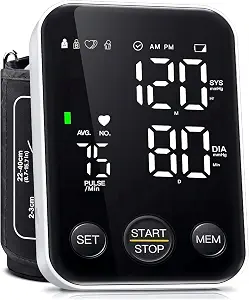
Oklar Blood Pressure Monitor Upper Arm BP Machine (ASIN B0CCXHL3JJ)
For a household whose planned check is blood pressure, this upper-arm monitor offers a straightforward set of listed controls and record-keeping features. It uses one-button operation and has a backlit LED screen with clear digits. The product says readings are available within 1 minute. These details can help shoppers consider whether its operation and display suit the intended user, especially if simple interaction and visible digits are priorities. The cuff range is 8.7 – 15.7 inches (22-40 cm), so check the person’s arm measurement against that stated range before purchase.
Memory supports two users, storing 120 readings per user. That arrangement may be helpful when two people in a household want their readings kept in separate user records on the device. It is still worth thinking about how each person will identify and use their record, and how the information will be reviewed. Saved values are records, not an interpretation of a person’s health; discuss questions about readings with an appropriate health professional.
Power is listed as 3AA batteries or a Type-C interface. The product is also explicitly described as not rechargeable, so do not mistake the interface for a rechargeable battery. Check the listing for the exact included items and any details you need about power arrangements. Thinking through where the monitor will be kept, who will use it and how the cuff range fits can make the choice more grounded than choosing on a headline feature alone.
This is the Best for shared blood pressure tracking pick because its stated memory supports two users and stores 120 readings per user. That label is an editorial distinction among the products in this guide, not a test result or an assertion that it is best for every household. At Black Friday, compare the precise product and variant shown in the listing, including the cuff range and power details, rather than assuming that an event label represents a discount. Choose it if its listed tracking arrangement and fit align with your planned routine.
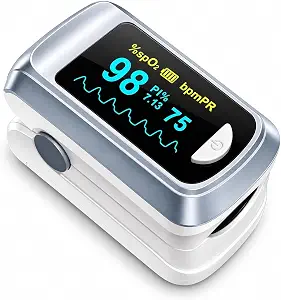
When the planned check concerns oxygen saturation and pulse rate, a fingertip pulse oximeter is the relevant format among these choices. Its bright screen shows SpO2, pulse rate and signal strength. A waveform bar graph provides visual confirmation of pulse strength, while one-button operation keeps the listed control approach simple. Consider whether the displayed information is what you want to see and whether the intended user can comfortably use a fingertip device. The supplied details do not describe every aspect of the display or operation, so consult the product listing if a particular interface detail is important.
The product measures 2.25 x 1.2 x 1.25 inches and weighs 2.4 ounces, details that can help shoppers think about storage and handling. It includes a lanyard for easy carrying, which may be useful if carrying the device is part of the plan. Auto power-off preserves battery life, and the unit requires 2 AAA batteries, which are included. Consider where you will keep the batteries and device together so the stated power arrangement fits your routine.
A pulse oximeter’s displayed information should be treated as information to review, not as a standalone diagnosis. If a reading raises concern, or you need guidance about what a reading means, seek advice from an appropriate health professional. No device choice can replace that interpretation. This is especially important when comparing products: clear display details can make information easier to view, but they do not establish whether a reading is medically significant.
This model is the Best Budget pick in this guide because the listed feature set includes one-button operation, the key displayed measures, included batteries and a carrying lanyard. The label is an editorial choice among the featured options; it does not claim a verified price advantage or establish superiority across the market. For Black Friday, check the exact listing and selected variant, and compare the offered product details rather than relying on a sale headline. There is no basis here to assume an active promotion or a particular price.
Key specs
Display
Bright screen clearly shows SpO2, pulse rate, and signal strength
Pulse indicator
The waveform bar graph provides visual confirmation of pulse strength
Operation
One-button operation
Power saving
Auto power-off preserves battery life.
Dimensions
2.25 x 1.2 x 1.25 inches
Weight
2.4 ounces
Batteries
2 AAA batteries required. (included)
Included accessories
1x Lanyard for easy carrying
Let the planned check lead the shortlist
Start by naming the information you want the device to provide. The thermometer is for temperature checks; the upper-arm monitor is for blood pressure; the fingertip oximeter displays SpO2, pulse rate and signal strength. Those are different tasks, not interchangeable ways to answer one general health question. A purchase is more focused when the device’s stated purpose matches the reason it will be kept at home.
Next, think about the person and the situation in which the reading will be taken. A non-contact method may appeal if that format suits the intended routine. Someone prioritizing blood pressure records may care more about cuff fit and separate user memory. For pulse oximeter use, the screen’s listed measures and one-button operation may be the deciding details. These are practical priorities to compare, not claims that one format is suitable for everyone.
Black Friday browsing can put several different kinds of equipment beside one another, but a compelling event label should not decide the task for you. Write down the reading you actually intend to check, then use that as a filter for listings. If you are unsure whether a device or reading is appropriate for a health concern, ask a qualified professional instead of treating a shopping guide as medical direction.
Match the interface to the person using it
A device becomes part of a home routine only if its controls and screen make sense to the people expected to use it. The blood pressure monitor lists one-button operation and a backlit LED screen with clear digits. The thermometer’s supplied specifications give response time, measurement method and unit switching, but do not describe its screen or controls. The oximeter lists one-button operation and a bright screen that shows several measures. Compare the information provided for the exact product rather than filling gaps with assumptions.
Think about the setting as well as the device. Will the user need to read the screen in a particular room or handle the equipment without assistance? Is a switchable temperature unit important to the household? Would separate stored blood pressure records be useful for the intended users? Answering these questions can narrow options without turning a convenience feature into a promise about health outcomes.
During Black Friday, product titles and promotional language can be more prominent than practical details. Pause to inspect the listing for the exact model and variant, then confirm that the stated screen, controls and measurement method are the ones you meant to compare. If details needed by the intended user are not supplied, seek clarification from the listing rather than assuming they are present.
Check the physical match before choosing
Fit matters most visibly for the upper-arm monitor: its stated cuff range is 8.7 – 15.7 inches (22-40 cm). Compare that range with the intended user’s arm measurement before placing an order. Do not guess that a cuff will fit because the product is described as an upper-arm model. If the measurement falls outside the listed range, look for reliable product information about alternatives rather than assuming this one will work.
The thermometer’s non-contact measurement method and the oximeter’s fingertip format call for different kinds of handling. Consider whether the person who will use each device is comfortable with that format and can follow its instructions. For the oximeter, the listed dimensions are 2.25 x 1.2 x 1.25 inches and its weight is 2.4 ounces; the included lanyard may matter if easy carrying is part of the plan. Those details help describe the item but cannot establish how it will feel for every user.
Use Black Friday comparisons to check the exact variant and all listed fit information, not just the product name. Keep the intended user’s needs in view, and consult the product details for any sizing or handling question not answered here. A mismatch can make an otherwise appealing feature set less useful for the person who needs to operate the device.
Plan for records and power in the same routine
Memory is most useful when you know why you want saved readings. The thermometer stores 35 sets, while the blood pressure monitor supports two users and stores 120 readings per user. Those arrangements differ, so consider whether you want temperature history or separate blood pressure records. The oximeter’s supplied facts do not list memory, which is a reason to check its product details if saving readings is a requirement rather than assume a feature is included.
Plan for power alongside storage. The thermometer and oximeter each require 2 AAA batteries, included with the product. The blood pressure monitor lists 3AA batteries or a Type-C interface and is not rechargeable. Keep the distinction clear: the stated Type-C interface does not make this product rechargeable. Consider how the listed power arrangements fit the place where the equipment will be used and how you will keep it ready.
Black Friday may encourage quick decisions, but compare these details before checkout. Check the exact listing for the selected variant, included items and the power information that applies to it. Then decide whether memory is genuinely useful for your household or whether a simpler record-keeping approach better fits your needs. Stored readings should be handled thoughtfully and discussed with a professional when interpretation is needed.
Compare the listing details, not the occasion
An event name does not tell you whether a product is discounted, whether the selected variant is the one you want, or whether its features fit your plans. Compare the exact listing for each item. Verify the product identity and the details that affect your decision: measurement method and range for the thermometer, cuff range and power for the blood pressure monitor, or display and included accessories for the oximeter. Do not infer that an offer is active from Black Friday wording alone.
A careful comparison also separates listed specifications from the questions that remain unanswered. If you need particular handling, display or power details not included in the facts here, look for those details on the product listing before buying. Avoid assuming a feature is present simply because it is common on similar devices. Likewise, do not treat a listing’s promotional presentation as evidence that one option is medically more appropriate.
For a Black Friday purchase, make a short checklist of the exact model, intended user, fit, reading type and power arrangement. Compare the item actually selected with that checklist and review the offer shown at the time you shop; no price or discount is established in this guide. That approach keeps the decision tied to useful product information instead of urgency, and leaves room to skip a purchase when a necessary detail is unclear.
Make your Black Friday choice
A considered home health care purchase begins with the reading you plan to check and the person who will use the device. Compare fit, controls, display, memory and power against that routine, and seek professional advice when you need help interpreting readings. For Black Friday, verify the exact listing and selected variant rather than assuming an event label means a deal is active. The right choice here is the one whose stated features match your needs and whose important details you have confirmed.