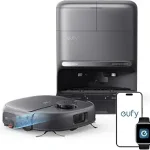
Best Self Emptying Robot Vacuum Buying Guide Black Friday Deals 2026
By dgsentinel Editorial Desk · Published
Best Overall
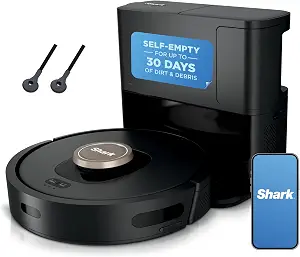
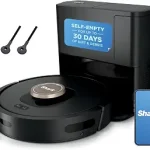
Shark AV2501AE AI Robot Vacuum with XL HEPA Self-Empty Base, Bagless, 60-Day Capacity, LIDAR Navigation, Perfect for Pet Hair, Compatible with Alexa, Wi-Fi Connected, Carpet & Hard
Shark AV2501AE AI Robot Vacuum with XL HEPA Self-Empty Base, Bagless, 60-Day Capacity, LIDAR Navigation, Perfect for Pet Hair, Compatible with Alexa, Wi-Fi Connected, Carpet & Hard (ASIN B08QZVSC8D)
Best Self Emptying Robot Vacuum Buying Guide — Black Friday Deals 2026
A self-emptying robot vacuum can change how often you handle collected debris, but the dock, navigation, and any extra floor-care features still need to fit your home. This guide compares three models by the details provided: a bagless base with a stated 60-day capacity, a sealed-bag model with a 7-Weeks self-emptying claim, and a Lefant model described with vacuuming and mopping capacities. For Black Friday, compare the exact product and configuration in the offer rather than relying on a headline or a similar-looking model name. Decide first how you want to collect dirt, then consider mapping, runtime or battery life, and any controls relevant to your routine.
Shark AV2501AE AI Robot Vacuum with XL HEPA Self-Empty Base, Bagless, 60-Day Capacity, LIDAR Navigation, Perfect for Pet Hair, Compatible with Alexa, Wi-Fi Connected, Carpet & Hard
Shark AV2501AE AI Robot Vacuum with XL HEPA Self-Empty Base, Bagless, 60-Day Capacity, LIDAR Navigation, Perfect for Pet Hair, Compatible with Alexa, Wi-Fi Connected, Carpet & Hard (ASIN B08QZVSC8D)
Best Overall is an editorial fit for the Shark AV2501AE AI Robot Vacuum because its listed features address several parts of a planned cleaning routine: a bagless self-empty base, 360° LiDAR mapping, and recharge and resume. The base holds up to 60 days of dirt and debris, a useful stated capacity to consider if you would rather not empty the robot after every run. For Black Friday, check that the offer names this exact model and includes the base described here; a similar Shark listing may not represent the same configuration.
Before a scheduled clean, consider whether the home layout makes mapping useful. The 360° LiDAR vision quickly and accurately maps the home, so this feature is relevant to shoppers who want the robot to build a map rather than navigate without one. The stated runtime is up to 120 minutes for whole-home cleaning. That figure describes the product, not a promise that every floor plan will be completed in a single run. Recharge and Resume means the robot can return to the dock, recharge, and pick up where it left off, which is a practical detail to weigh if a cleaning task may outlast one charge.
The product also lists a HEPA filter and a 5.67-inch cleaning path width. Alexa or Google Assistant voice control is specified, so shoppers who already use either service can check whether that control option suits their routine. These details make the Shark a broad-feature choice among the listed options, not a guarantee of better results in every home. During Black Friday comparisons, weigh the bagless base’s stated capacity against your preference for a bagged collection system, and confirm that the selected listing is the AV2501AE rather than judging by a discount label alone.
Key specs
Self-empty base
The bagless, self-emptying base holds up to 60 days of dirt and debris
Navigation
360° LiDAR vision quickly and accurately maps your home
Runtime
Up to 120 minutes of runtime for whole-home cleaning.
Filter
Filter Type HEPA
Cleaning path
Cleaning Path Width 5.67 inches
Voice control
using Amazon Alexa or Google Assistant.
Recharge and resume
With Recharge and Resume, the robot will return to the dock, recharge, and can pick up where it left off.
roborock Q7 M5+ Robot Vacuum and Mop (ASIN B0DWX6B2KT)
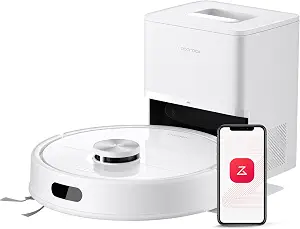
The roborock Q7 M5+ Robot Vacuum and Mop is labeled Best for Longer Self-Emptying Intervals because its listed self-emptying duration is 7-Weeks Hands Free Self Emptying. That makes the stated interval a central point to compare if your goal is fewer debris-handling interruptions. It uses a 2.7L sealed dust bag, which gives shoppers a concrete collection-system detail to weigh against a bagless base. For Black Friday, check the exact Q7 M5+ model and the included collection setup in the offer before comparing it with another roborock listing.
When planning a cleaning run, the product lists PreciSense LiDAR Navigation and 150 minutes of battery life. Those are useful details to compare with the shape of your rooms and your intended schedule, without assuming a particular home will be cleaned in a fixed time. The Dual Anti-Tangle Design is another stated feature to consider when choosing among the listed options. It is a feature description, not a promise that maintenance will never be needed. The product is also described as a vacuum and mop, with three adjustable water flow settings, so consider whether adjusting water flow belongs in the routine you want to set up.
Network details deserve a place on the checklist: the app supports 2.4GHz Wi-Fi only. If your home network uses multiple bands, check that this requirement works with the setup you intend to use before checkout. A longer stated self-emptying interval may be appealing, but it is only one part of the decision; the sealed dust bag, water-flow controls, navigation, and network requirement also matter. During Black Friday, compare the exact offer and variant, not just the self-emptying claim, and decide which of these listed features would actually make your planned cleaning routine easier.
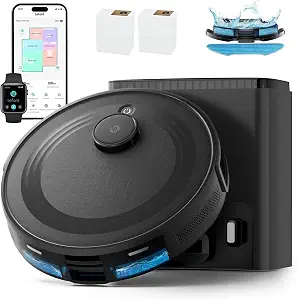
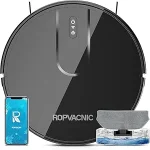
Best Budget is an editorial label for the Lefant M2 Plus, grounded here in its stated 360° LiDAR navigation and automatic creation of multi-level maps. Those mapping details may be relevant if you want to consider separate floor levels when planning cleaning. The product information also lists a 250ml dustbin and a 300ml water tank. Keep those onboard capacities distinct from a self-empty base when comparing offers: they describe the robot’s dustbin and water tank, not a stated dock capacity. For Black Friday, verify that the exact M2 Plus configuration in the offer matches the vacuum and mopping arrangement you intend to buy.
For a planned run, the listed controls include three suction levels and three water-flow settings. That gives you options to consider for different cleaning plans, while leaving the choice of settings to your needs and the floors you intend to clean. The product also lists object detection as close as 1.6 inches away. Treat that as a stated detection detail, not a guarantee about every obstacle or room condition. If you are comparing the M2 Plus with models that explicitly list self-emptying intervals, make the collection-system wording a separate part of your comparison instead of assuming the onboard dustbin describes a dock.
Connectivity is another point to check before buying: the Lefant is described as a dual-band Wi-Fi robot vacuum supporting 2.4G/5G. That may suit shoppers whose intended setup uses either listed band, but confirm compatibility with your own network and chosen configuration. The mapping, suction and water settings, detection detail, and onboard capacities give this model several concrete features to evaluate. Its Best Budget label identifies an editorial choice among the products in this guide; it does not establish a market-wide price position or a Black Friday saving. Compare the exact offer and included setup before deciding.
Key specs
Dustbin and water tank
a 250ml dustbin and a 300ml water tank
Suction and water settings
3 suction levels & 3 water flow
Navigation
360° LiDAR navigation
Mapping
automatically creating multi-level maps
Object detection
as close as 1.6 inches away
Wi-Fi
Dual-Band WiFi Robot Vacuum (2.4G/5G)
Plan the debris handoff before the cleaning schedule
Start by deciding what you want to do with the dirt after a run. The Shark’s bagless base is stated to hold up to 60 days of dirt and debris, while the roborock lists a 2.7L sealed dust bag and a 7-Weeks Hands Free Self Emptying interval. These are different ways of describing collection and duration, so compare them as stated rather than converting one into the other. The Lefant details provided here give onboard dustbin capacity, not a stated self-emptying interval.
Next, picture the routine you would like to avoid. If handling a robot’s collected debris frequently is your main concern, the base or interval wording deserves close attention. If you prefer to assess an onboard dustbin and water tank, the Lefant’s stated capacities can help frame that choice, but they should not be mistaken for a dock specification. Each setup answers a different shopping question; none establishes how often every household will need to intervene.
On Black Friday, read the product name and collection details together. Offers can present several models from a brand, and the headline alone may not make the included configuration clear. Make a short list of the exact model, collection type, and any stated capacity or interval before comparing offers. That keeps a bagless base, a sealed bag, and an onboard bin from being treated as interchangeable.
Give the map a purpose in your home
Navigation matters most when it answers a layout question you actually have. The Shark lists 360° LiDAR vision that quickly and accurately maps the home; the roborock lists PreciSense LiDAR Navigation; and the Lefant lists 360° LiDAR navigation with automatic multi-level maps. These descriptions offer different points to compare. If you want to consider maps for more than one level, the Lefant’s explicit multi-level mapping detail is relevant. If your priority is LiDAR navigation, all three listings provide a specific navigation feature to weigh.
Think through the route you expect the robot to cover before choosing. A simple cleaning plan may make the mapping description less important than the collection arrangement. A home with multiple levels may lead you to pay closer attention to the Lefant’s stated mapping capability, while the Shark’s mapping and recharge-and-resume details may be relevant if a task is planned to continue after recharging. These are ways to organize a shortlist, not predictions about how a robot will behave in a particular floor plan.
Black Friday listings can put a model name beside broad navigation language, so verify the exact product and its stated feature. Avoid treating every use of LiDAR as proof that two mapping systems work identically. Compare the exact wording, then decide whether the feature helps with a real task in your home. A useful map is one that fits your intended routine, not simply the longest specification line.
Fit cleaning time and controls to your intended run
The Shark lists up to 120 minutes of runtime and recharge and resume: it can return to the dock, recharge, and pick up where it left off. The roborock lists 150 minutes of battery life. Keep runtime and battery-life wording in context rather than treating the figures as a head-to-head result; the listed terms are not identical claims, and neither tells you exactly how a run will unfold in your home. Consider whether the recharge-and-resume detail matters to your planned schedule.
For mopping plans, the roborock lists three adjustable water flow settings, and the Lefant lists three water-flow settings alongside three suction levels. The Lefant also lists a 300ml water tank and 250ml dustbin. These details can help you decide whether you want adjustable cleaning settings and onboard capacities in the same product. They do not establish a particular floor-care result, so focus on whether those controls belong in the routine you intend to use.
Before a Black Friday purchase, match the listed controls to how you expect to use the robot. If you want voice control, the Shark lists Amazon Alexa or Google Assistant. If app connectivity matters, check the roborock’s 2.4GHz Wi-Fi-only support and the Lefant’s dual-band 2.4G/5G description against your setup. A feature is useful only if it fits your intended schedule and connection; avoid paying attention to a control simply because it appears in an offer headline.
Check floors, obstacles, and the details that affect fit
Think about the mix of tasks you want the robot to handle. The Shark’s name and listed details specify carpet and hard-floor use, while the roborock and Lefant are described as vacuum-and-mop options in their product names or supplied details. The Lefant lists three suction levels and three water-flow settings; the roborock lists three adjustable water flow settings. Use those facts to decide whether you want adjustable settings, and check the product listing for any floor-specific guidance before choosing a configuration.
The Lefant’s object detection is described as working as close as 1.6 inches away. That gives shoppers a precise stated detail to consider when thinking about room obstacles, but it should not be read as a guarantee that every small object will be detected. The roborock lists Dual Anti-Tangle Design, another feature to weigh if it addresses a concern in your planned routine. Neither phrase replaces ordinary preparation or tells you exactly how the device will handle every room.
When a Black Friday offer makes one model appear especially attractive, return to the practical fit questions: which surfaces you plan to clean, whether mopping is part of the routine, and which stated controls matter. Confirm that the listing names the same model discussed here. The purpose is not to predict performance from a single feature, but to avoid selecting a product whose specific listed details do not line up with the tasks you have in mind.
Make the Black Friday comparison about the whole setup
A headline deal is not enough to identify the right robot. Compare the exact model name, collection arrangement, navigation description, and any included controls or mopping details shown for the offer. The Shark AV2501AE’s bagless base, the roborock Q7 M5+’s sealed dust bag, and the Lefant M2 Plus’s stated onboard dustbin are distinct collection details. Keep them distinct while checking the configuration, rather than judging by brand or a general category phrase.
Then check the specifications that are relevant to your own home. That might mean the Shark’s HEPA filter and voice-control options, the roborock’s 2.7L dust bag and 2.4GHz Wi-Fi-only app support, or the Lefant’s dual-band Wi-Fi and multi-level mapping. A product page can use similar wording for different models, so match the model identifier and the listed configuration before considering the offer. Do not assume a feature carries over from a neighboring variant.
Finally, compare the offer on its actual terms without presuming that a Black Friday label means the same configuration or value across listings. The editorial labels in this guide are limited to these three products and reflect the stated features used to organize the choices. Your best fit may depend on collection preference, network setup, and whether mapping or adjustable water flow belongs in your routine. A deliberate comparison is more useful than chasing an unspecified discount.
Make your Black Friday choice
For a shortlist, begin with the collection method: the Shark’s bagless base, the roborock’s sealed-bag interval, or the Lefant’s stated onboard capacities. Then check navigation, run-related wording, mopping controls, and network details against the tasks you intend to schedule. Best Overall, Best Budget, and Best for Longer Self-Emptying Intervals are editorial labels for this selection, not promises about every household. During Black Friday, confirm the exact model and configuration in the offer before deciding. A good purchase is the one whose listed features and setup suit your routine, not simply the one with the most prominent promotion.