Best Laptop Students Buying Guide — Black Friday Deals 2026
A laptop decision should start with the student’s coursework and daily routine, then narrow to the features that matter. These choices include two Chromebooks and a Windows-model listing, with different screens, processors, memory and storage details. The right fit depends on what the student’s courses require and how they plan to work with files, rather than on a Black Friday headline alone. Treat each listed configuration as a starting point: verify the exact model and offer details before deciding, and avoid assuming that a seasonal promotion changes what the device includes.
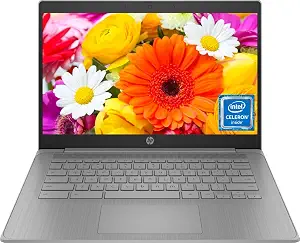
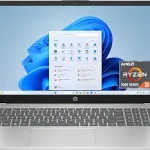
HP 14″ HD Chromebook Laptop for Students (ASIN B0C8171GTK)
Best Budget is the editorial label for the HP 14-inch HD Chromebook in this group. Its supplied specifications are straightforward: an Intel Celeron N4120 processor with 4 Cores & Threads, 4GB RAM, 64GB eMMC storage and Chrome OS. That gives a student a clear set of details to compare with course needs before focusing on the Black Friday offer. Consider whether the listed system and capacities suit the student’s intended work; a lower-cost-sounding label is not a substitute for checking the current exact offer or requirements.
The screen is listed as 14 inches with a resolution of 1366 x 768 pixels. That can help a shopper distinguish this display specification from the Full HD touchscreen listed for the Lenovo Chromebook, while leaving the choice to the student’s preference and coursework. The supplied facts do not describe every aspect of the screen, so avoid assuming more than its stated size and resolution. If the student expects to read, write or view course material on the laptop, use those precise details as prompts for deciding whether the display meets their needs.
Wireless connectivity is listed as 802.11ac, and the operating system is Chrome OS. A student can compare those details with the requirements of their study setting and school workflow without assuming compatibility or performance beyond what is stated. For Black Friday, verify the product identity and the configuration attached to the offer; do not infer a discount or a change in included specifications from seasonal wording. The Best Budget label reflects this guide’s editorial choice among the featured products, not a market-wide award. This model is worth considering when its listed Chrome OS configuration and HD display align with the student’s priorities.
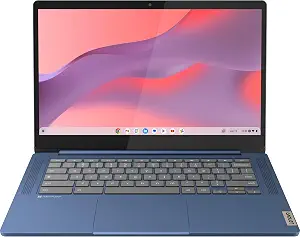
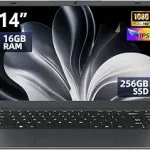
Best Overall is an editorial label for this Chromebook among the options in this guide, not a claim based on testing or a market-wide ranking. Its listed combination includes a 14-inch Full HD touchscreen, a MediaTek Kompanio 520 processor, 4GB RAM and 64GB eMMC storage. For a student who wants a touchscreen in a familiar laptop-sized display, those are useful configuration details to weigh against course requirements and file habits. The display is specified as Full HD; do not assume that the touch feature or resolution alone settles whether it suits a particular study setup.
The processor is identified as an octa-core MediaTek Kompanio 520, with 4x A73 @2.0GHz + 4x A53 @2.0GHz. That description gives a concrete basis for comparing the listing with course requirements, but it does not establish how a particular app or workload will perform. The operating system is Google Chrome OS, so a student should check that their required software and school workflow fit that system before choosing it. The listed memory and eMMC capacity are also worth checking against how much work the student expects to keep available locally.
Wi-Fi 6, 11ax 2×2 + Bluetooth 5.1 combo and a stated battery life of 13.5 hours round out the supplied details. Treat the battery figure as the listing’s stated claim, not a promise of the same runtime in every study routine. During Black Friday, compare the exact listing and configuration rather than relying on a promotion label: confirm that the offer corresponds to this touchscreen Chromebook and its listed specifications. This option earns its Best Overall label because the supplied feature set brings together a Full HD touchscreen, specified wireless details and a stated battery-life figure—not because the label proves measured superiority.
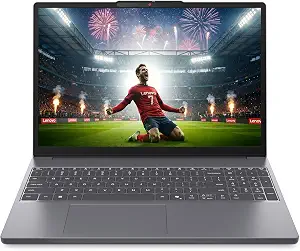
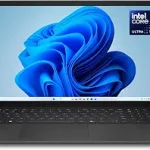
Best for a larger touchscreen workspace is the editorial label for the Lenovo IdeaPad Slim 3i. Its listed 15.3-inch WUXGA touchscreen gives the student a larger stated display size than the 14-inch options here, while retaining touch input as a specified feature. Whether that size is helpful depends on the student’s desk, study habits and course materials; the specification does not establish how any individual will prefer using it. For a Black Friday shortlist, this is the option to compare when screen area and touch are priorities.
The listing names an Intel Core Ultra 5 Processor 322, 16GB RAM and 1TB SSD Storage. These specifics make it possible to compare the configuration with a student’s expected coursework and file routine. They do not, by themselves, guarantee performance in a given application or establish that the student needs this much memory or storage. Think through what the student plans to keep on the device and which programs their courses require, then check those needs against the exact configuration rather than choosing by a specification in isolation.
A 120Hz refresh rate and a 60 watt-hours battery capacity are also stated. Battery capacity is not the same information as a runtime claim, so do not treat it as a promise of hours away from a charger. The supplied facts do not identify an operating system or wireless specification for this listing; check the product page and course requirements before purchasing rather than filling in those details by assumption. During Black Friday, confirm that the offer is for this exact IdeaPad configuration. Its label points to the larger touchscreen workspace described in the listing, not to a measured advantage over the other laptops.
Key specs
Processor
Intel Core™ Ultra 5 Processor 322
Display
15.3″ WUXGA Touchscreen Display
Memory
16GB RAM
Storage
1TB SSD Storage
Refresh rate
120Hz Refresh Rate
Battery capacity
60 watt-hours
Turn the semester plan into a shortlist
Before looking at Black Friday offers, write down what the student actually needs to do: the software or services required by courses, the kinds of files they use, and where they expect to study. That short brief helps distinguish essential requirements from attractive extras. In this group, two listings specify Chrome OS, while the IdeaPad listing does not state an operating system in the supplied details. Check that point against course requirements instead of assuming the systems are interchangeable or that an unlisted specification has a particular value.
Next, rank the student’s priorities. A touchscreen may matter to someone who wants touch input; display size and resolution may affect which screen specification they prefer. A student whose work centers on files should pay attention to the listed memory and storage, while someone planning work away from a convenient power source should examine the available battery information carefully. The brief is not a prediction of performance. It is a way to make the Black Friday comparison more disciplined: remove options that do not meet must-haves, then compare the remaining configurations on the details that matter.
Check system requirements before comparing screens
Course requirements can rule a device in or out before display preferences come into play. The HP and Lenovo Chromebook listings identify Chrome OS, with the second naming Google Chrome OS. If a student depends on particular software, school services or a required workflow, verify that it works with the system they are considering. The provided specifications do not establish compatibility with any specific application, so do not treat the Chromebook name alone as proof that a course tool will be supported.
The IdeaPad Slim 3i has processor, memory, storage and display details in the supplied record, but its operating system is not stated there. Make that an explicit verification point while reviewing the product listing. During Black Friday, compare the exact product page and configuration against the student’s requirements, not against assumptions based on a familiar product name. A useful shortlist is one in which every remaining candidate has its system requirements checked, and the student can explain why the listed setup fits their course plan.
Choose screen details for the places study happens
Think about where and how the student uses a laptop before deciding which display specification matters most. The HP lists a 14-inch screen at 1366 x 768 pixels. The Lenovo Chromebook lists a 14-inch Full HD touchscreen, while the IdeaPad Slim 3i lists a 15.3-inch WUXGA touchscreen. Those are distinct stated configurations; they do not establish which screen every student will find more comfortable. A student can use the size, resolution and touch details to compare options with their own reading, writing and workspace preferences.
The larger-screen label for the IdeaPad is about the listed 15.3-inch touchscreen, not a claim that it is universally the best display. Similarly, touch is a specific feature of the two Lenovo listings, not a reason to overlook course requirements or the rest of the configuration. For a Black Friday decision, compare the exact display details shown for the offer and make sure they match the model being considered. If the student’s work setting makes screen size a practical concern, prioritize that criterion openly instead of allowing a promotion headline to decide.
Make capacity a question about the student’s files
Memory and storage are easier to compare when connected to how the student expects to work. The HP and Lenovo Chromebook listings each specify 4GB RAM and 64GB eMMC. The IdeaPad Slim 3i specifies 16GB RAM and 1TB SSD Storage. Those figures describe the configurations, but they do not say how much space a particular student will need or how a device will behave with a specific workload. Consider the student’s file habits and course demands, then verify that the chosen capacity is appropriate rather than assuming that more is automatically necessary.
Processor names can be handled with the same care. The HP names an Intel Celeron N4120 with 4 Cores & Threads; the Chromebook from Lenovo names a MediaTek Kompanio 520 with its octa-core breakdown; and the IdeaPad names an Intel Core Ultra 5 Processor 322. Use these stated descriptions when a course has requirements to check, but do not turn processor labels into unsupported performance promises. A Black Friday offer should be compared by its exact processor, memory and storage configuration, not by a broad family name or an assumed upgrade.
Use the Black Friday page as a configuration check
Seasonal wording does not establish that a particular laptop is discounted, available or configured as expected. Read the product page to confirm the exact model and listed features attached to the offer. For the Chromebook with a stated battery life, keep the 13.5 hours figure in its proper context as a listing claim. For the IdeaPad, the supplied 60 watt-hours is battery capacity, not an operating-time figure. Do not compare those unlike details as if they measured the same thing.
Wireless details also vary in what is provided: the HP lists 802.11ac, and the Lenovo Chromebook lists Wi-Fi 6, 11ax 2×2 + Bluetooth 5.1 combo. The IdeaPad record does not supply wireless information, so check the listing if that matters to the student. Before acting on a Black Friday offer, verify that the product page matches the intended screen, system and core configuration. This simple checkpoint helps keep a headline from overshadowing the specifications the student actually needs.
Make your Black Friday choice
A sound choice comes from matching the student’s course requirements and habits to the details each listing actually provides. The Lenovo Chromebook is the guide’s Best Overall choice, the HP is Best Budget, and the IdeaPad is Best for a larger touchscreen workspace; these are editorial labels among the featured options, not test results. As Black Friday approaches, compare the exact model and configuration, check system requirements, and treat stated battery information according to what it measures. Choose the laptop that fits the student’s real priorities rather than assuming a seasonal offer makes any one option the right fit.